Aluminium Pakistan
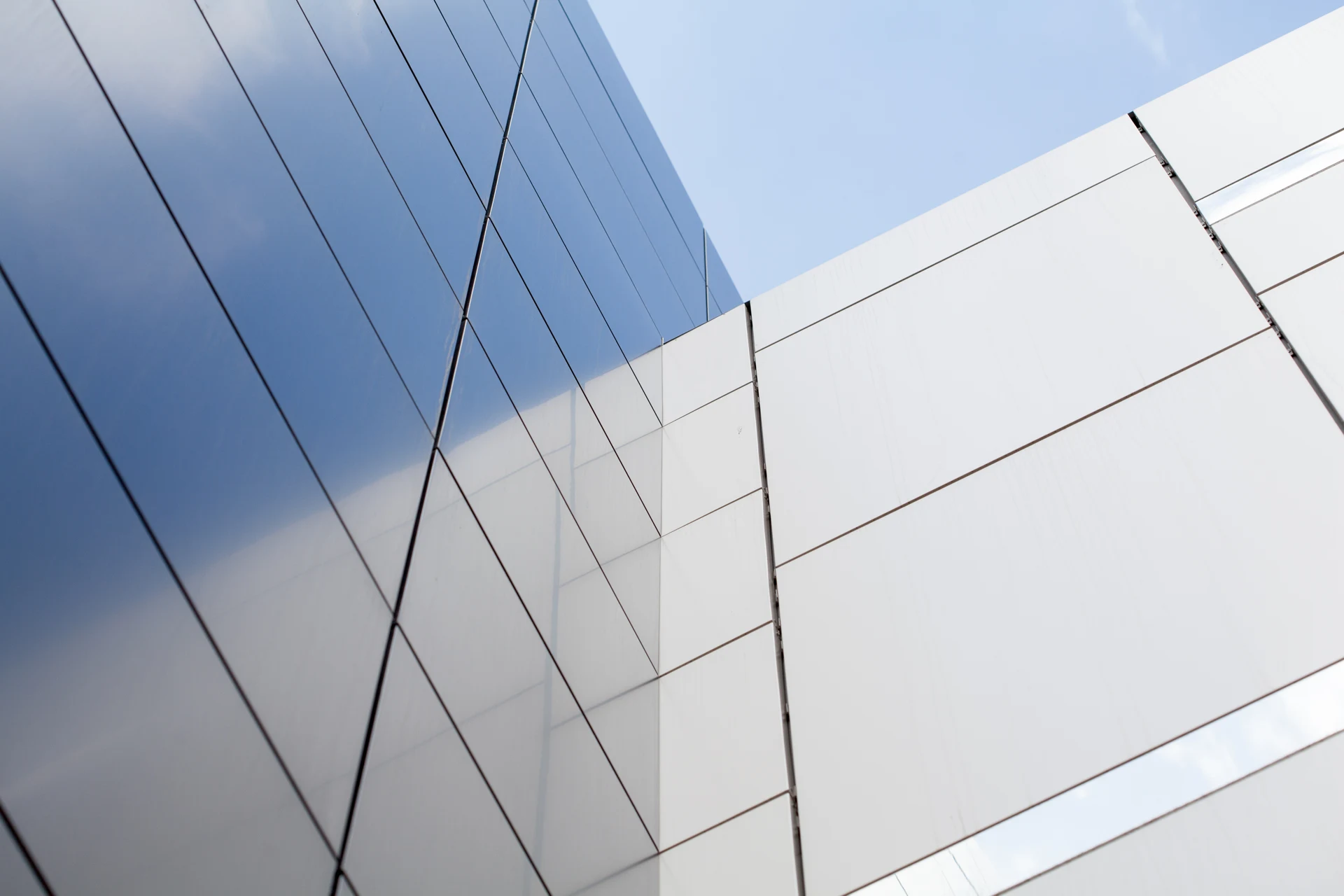
Aluminium architectural cladding panels

Industry Brief

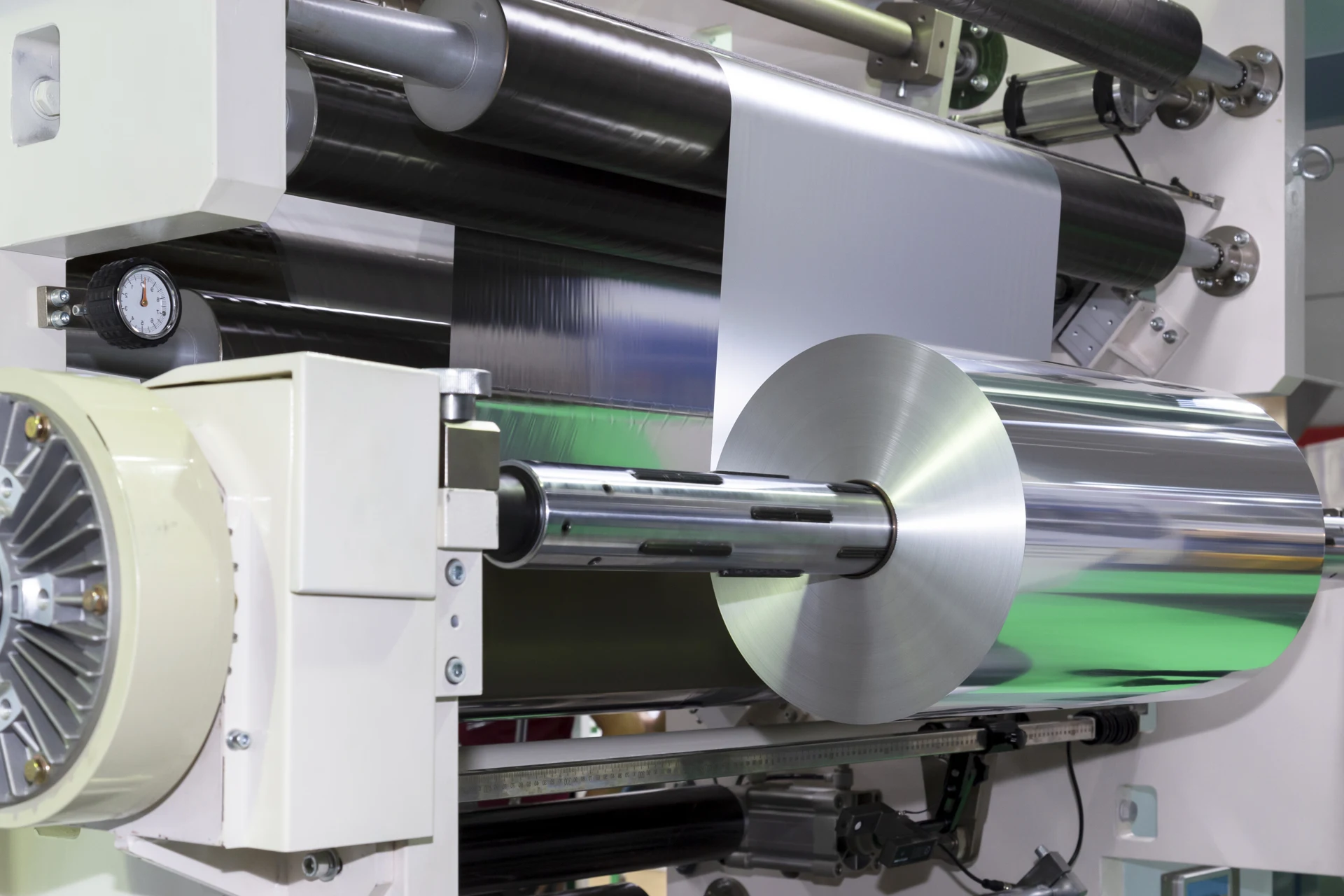
Aluminium foil production and rolling machinery
ALUMINIUM PROCESSING & MANUFACTURING

THE INDUSTRY

Global sourcing.
Local value addition.

Pakistan’s aluminium market connects imported feedstock with a broad domestic processing and manufacturing base.

Without a large established primary-aluminium smelting base, Pakistan relies on imported metal, alloys, scrap and selected semi-finished products. Local businesses transform these inputs through recycling, extrusion, casting, machining, finishing, packaging and fabrication.

Pakistan has a broad and increasingly diversified aluminium downstream ecosystem. The country fulfills its domestic demand through imported primary aluminium and semi-finished products, imported aluminium scrap, secondary alloy production, extrusion, casting, die casting, machining, finishing, packaging and many fabricated products. This structure creates both a mature market for existing manufacturers and a significant opportunity for local value addition.

The demand side is broad. Construction and manufacturing are recovering, automotive production rose sharply during July to March of financial year 2026, Pakistan is experiencing very rapid solar deployment, and the national New Energy Vehicle Policy 2025-2030 creates a long-term framework for electric mobility. These trends reinforce demand for aluminium profiles, structural parts, die castings, battery and motor housings, solar mounting systems, electrical conductors, packaging and lightweight components.
Industrial Momentum Shaping Aluminium Opportunity

3.51%Industrial sector growth · FY2026

Industrial Recovery

Pakistan’s industrial sector grew 3.51% in FY2026, supported by improved manufacturing, construction and mining activity. Manufacturing and mining together represent about 13.5% of GDP, while large-scale manufacturing accounts for 67.4% of manufacturing and 8.2% of GDP.

51.3%Car production growth · July–March FY2026

Automotive Production Accelerating

During July–March FY2026, production rose 51.3% for cars, 24.0% for LCVs/jeeps/SUVs/pickups, 87.8% for trucks and 31.4% for two- and three-wheelers. This strengthens demand potential for aluminium castings, housings, structural parts, thermal-management components and lightweight engineering.

30%New vehicle sales target · 2030

New Energy Vehicle Transition

Pakistan’s New Energy Vehicles Policy 2025–30 targets 30% of new vehicle sales by 2030 and promotes local manufacturing, technology transfer and component development. This supports long-term opportunity for aluminium battery enclosures, motor housings, structural components and lightweight parts.

≈38 GWEstimated distributed solar capacity · FY2025

Solarisation at Scale

Research by Renewables First estimates approximately 38 GW of distributed solar capacity across residential, industrial, agricultural and commercial sectors by FY2025. This supports demand for aluminium mounting rails, frames, clamps, enclosures and fabrication.

Sources: Pakistan Economic Survey 2025–26; Ministry of Industries & Production; Renewables First.

INDUSTRY CONNECTIONS

Connect with Pakistan’s
aluminium industry.

Book Your Stand